







What a More Resilient Home Energy Plan Looks Like in Bridgeport, Connecticut
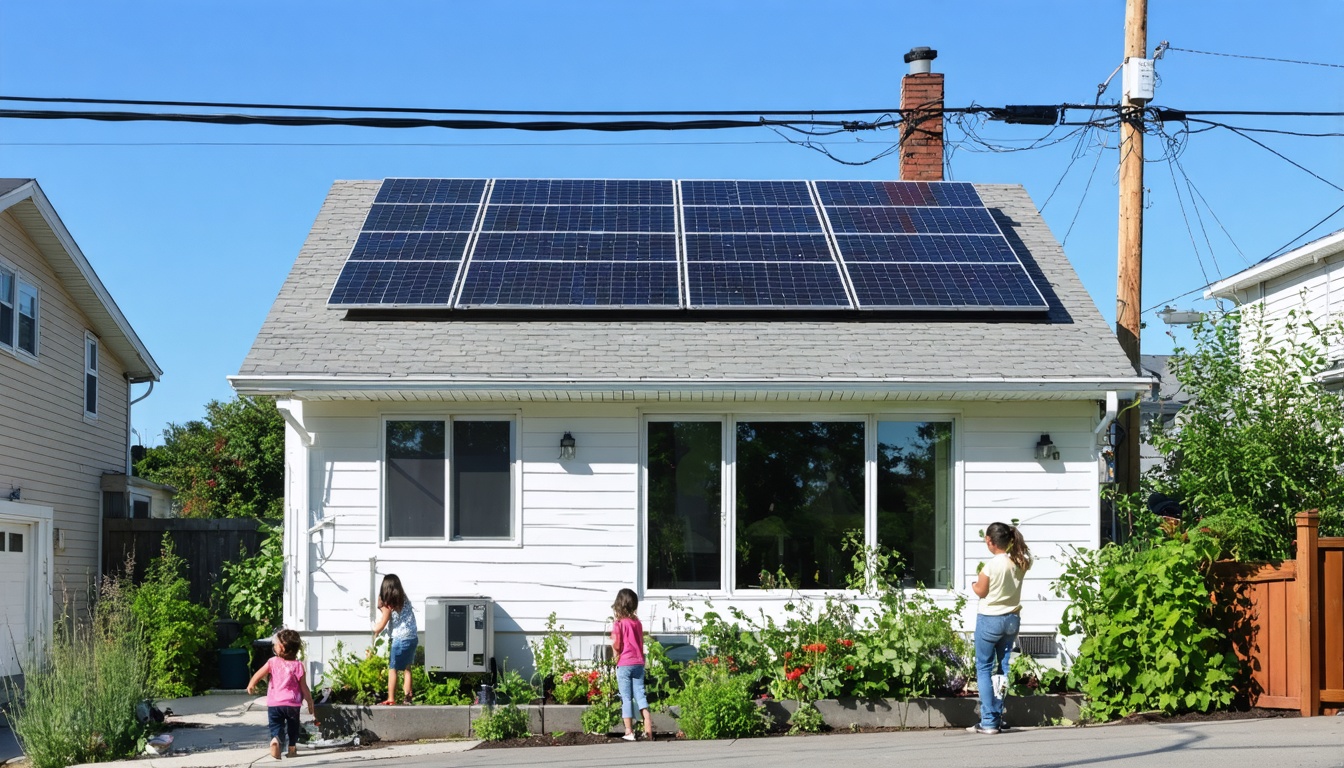
Residents of Bridgeport are increasingly facing the realities of floods and storms, which can significantly impact home energy systems. Enhancing energy resilience within homes involves more than the installation of solar panels or backup batteries; residents might consider working with a Solar panel company to ensure a comprehensive approach designed to safeguard both property and family during power outages. Implementing strategies such as energy-efficient upgrades, storm-resistant infrastructure, and proper insulation can contribute to long-term energy stability and cost reduction. Additionally, local programs may offer financial assistance or incentives for initiatives aimed at increasing home energy resilience, specifically targeted to suit the unique challenges posed by the local climate. Developing an effective energy resilience plan requires thorough analysis and an understanding of specific vulnerabilities to flooding and severe weather within the region. By aligning home improvements with available resources and community initiatives, residents can build a more secure energy future.
Climate Change and Flooding Risks in Bridgeport
Bridgeport has been historically susceptible to coastal storm risks, and recent data indicates that climate change is intensifying these challenges. The vulnerability is particularly significant in South Bridgeport and the public housing areas that border Long Island Sound and the Harbor.
The city's aging combined sewer system is particularly at risk from stormwater surges, which can pose public health and safety issues in these neighborhoods.
Flooding events, exacerbated by rising sea levels, threaten water quality and recreational spaces such as Seaside Park.
In light of these concerns, Connecticut is implementing several measures to enhance the city's resilience. These efforts include elevating University Avenue, constructing a pump station to improve drainage, and building a protective barrier at Marina Village.
For these measures to be effective, it is essential to adopt targeted adaptation strategies aimed at sustainable risk reduction.
Continuous assessments and planning will play a crucial role in ensuring that these adaptations adequately address the impacts of climate-related hazards in Bridgeport.
Integrated Resilience Strategies for Urban Homes
As climate impacts continue to escalate in Bridgeport, the implementation of integrated resilience strategies for urban homes is essential for property protection and preservation of quality of life.
Adoption of green infrastructure, such as rain gardens, permeable pavements, and efficient stormwater management systems, can significantly improve health and safety within Connecticut neighborhoods.
In proximity to Long Island Sound and Seaside Park, certain adaptation measures have proven effective in mitigating flood risks while maintaining the integrity of public spaces.
For example, enhancements to the combined sewer systems in South Bridgeport are designed to bolster overall resilience to severe weather events.
Moreover, the availability of 0% loans can aid in securing funding for home retrofitting, enabling property owners to undertake necessary upgrades without incurring substantial upfront costs.
These initiatives are expected to contribute to increased energy efficiency, mitigate the effects of climate change, and protect at-risk Harbor neighborhoods, thereby supporting a stable quality of life for residents.
Home Energy Solutions and Community Engagement
Climate resilience is closely linked to infrastructure development; however, it is also heavily dependent on community involvement in home energy solutions. Participation in programs such as Home Energy Solutions (HES) can enable Bridgeport to bolster resilience within its neighborhoods, especially those near Harbor, South, Seaside Park, and Long Island Sound.
In Connecticut, the HES program has facilitated increased energy efficiency and improved health and safety for approximately 30% of local households over the past decade. This statistic highlights a significant degree of community engagement and the program's effectiveness in enhancing residential living conditions.
Moreover, organizations like Home Comfort Practice offer critical resources to residents, which helps raise awareness about strategies for managing stormwater and mitigating flood risk.
Improving home energy efficiency has tangible benefits for residents, particularly those living in combined sewer zones that are susceptible to flooding. These enhancements are vital for building resilience as the frequency and intensity of storms continue to rise due to environmental changes.
Maximizing Rebates and Incentives for Upgrades
Bridgeport homeowners can effectively manage their financial resources related to energy upgrades by taking advantage of available rebates and incentives. Programs like Energize CT provide financial assistance to offset costs associated with critical improvements such as insulation and window replacements. Implementing these upgrades can increase energy efficiency and also strengthen the community's capacity to deal with environmental challenges, including stormwater management and flooding, especially in areas like South Bridgeport and along the Long Island Sound.
Data indicate a significant amount of rebate funding remains unclaimed, suggesting that residents may have the opportunity to benefit from these financial programs. Collaborating with organizations like Home Comfort Practice can equip homeowners with essential information to navigate these funding options efficiently. This support may enhance community resilience and improve infrastructure in neighborhoods adjacent to Harbor, including Seaside Park.
Furthermore, these energy upgrades provide potential public health and safety benefits by addressing some risks associated with climate change.
Overall, a strategic approach to utilizing available incentives can achieve economic and environmental advantages for homeowners in Bridgeport.
Financing Options for Energy Efficiency Improvements
Securing financing is a key component for implementing energy efficiency improvements in residential properties in Bridgeport. Homeowners can access a variety of financing options to support these energy upgrades. For instance, 0% interest Home Energy Solutions (HES) Payment Plans and Capital for Change Energy Conservation Loans are two viable financial avenues that can assist homeowners in making necessary improvements.
These financing options are important for enhancing the resilience of homes, especially in areas prone to storm and flood risks, such as South Bridgeport and along Long Island Sound. Public programs designed to improve stormwater infrastructure and energy efficiency further support these efforts.
The audits and assistance offered by Home Connecticut Partners (HCP) provide necessary guidance for homeowners throughout the upgrade process. Additionally, these improvements aim to enhance public health and safety, particularly in regions impacted by combined sewer systems, such as Seaside Park and Harbor.
Ongoing investment in energy efficiency measures is vital for achieving long-term sustainability in community resilience and environmental quality.
Impact of Sustainable Energy Practices in Bridgeport
The implementation of sustainable energy practices in Bridgeport is contributing to the city's resilience strategy, particularly at the community level. Neighborhoods in the southern areas are increasingly adopting energy-efficient solutions that improve residential comfort and address stormwater management issues. Organizations such as HCP have played a role in this initiative by providing insulation services aimed at enhancing energy efficiency, which in turn can improve both housing quality and adaptability.
Nevertheless, a significant challenge faced by the community is the lack of public awareness regarding available programs, such as the Energize CT rebates. These rebates are designed to help residents mitigate risks from combined sewer systems and improve stormwater management in areas susceptible to flooding near Long Island Sound, Seaside Park, and Bridgeport Harbor.
Moreover, infrastructure enhancements that prioritize sustainable energy practices can lead to improvements in public health and safety while simultaneously addressing the impacts of climate change. The movement toward sustainable energy in Bridgeport indicates a methodical approach to reinforcing community resilience in response to ongoing environmental concerns.
Conclusion
Implementing a resilient home energy plan in Bridgeport can enhance preparedness for climate-related risks and potential power outages. Local incentives exist that can help reduce costs associated with energy improvements. Integrating renewable energy sources, such as solar panels, can further contribute to sustainability efforts while also potentially lowering energy bills. Engagement with community programs focused on energy efficiency can provide additional resources and support for homeowners. By making informed upgrades to their energy systems, residents not only improve their household energy performance but also contribute to broader regional sustainability goals. Investing in energy resilience now can lead to increased safety and efficiency within homes, which may result in long-term economic benefits for individuals and the community as a whole. An effective home energy plan is not only beneficial for the household but can also play a role in strengthening Bridgeport's overall energy infrastructure.